Dolphins in Falmouth: When is the Best Time to See Them?
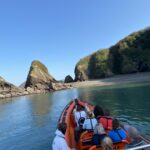
What to Expect on a Falmouth Sea Safari This Season

We've been running sea safaris out of Falmouth for years, and one question comes up on almost every trip: 'Are we going to see any seals?'
The honest answer is: quite possibly, yes. And if you've never watched a grey seal haul itself onto a rock, turn its whiskered face toward you and apparently decide you're not worth worrying about, it's one of those moments that tends to stay with you.
Do Grey Seals Live Around Falmouth?
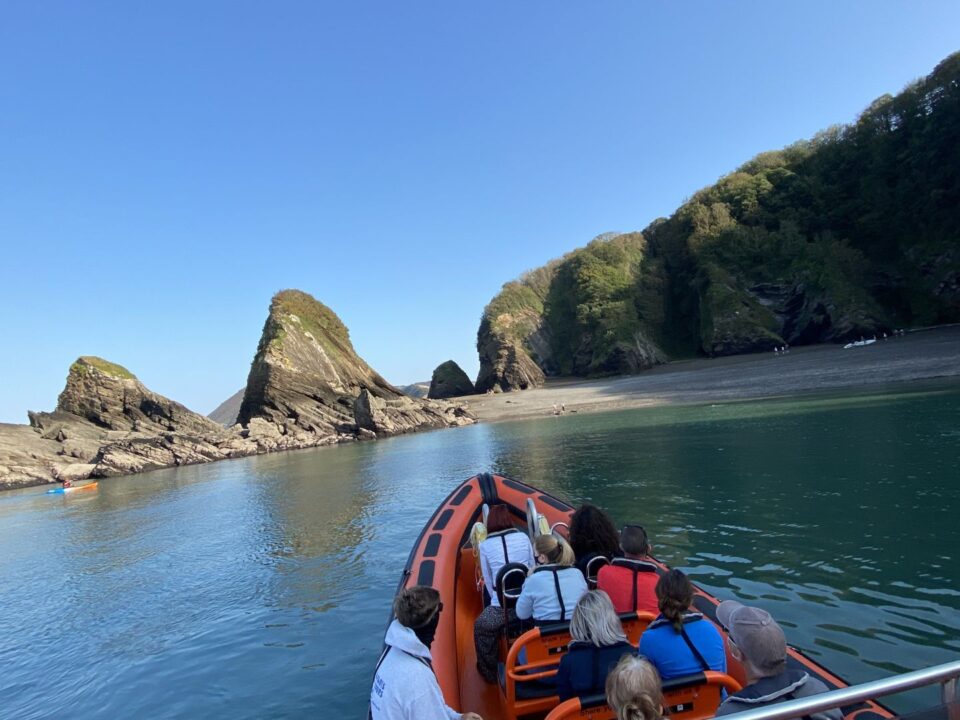
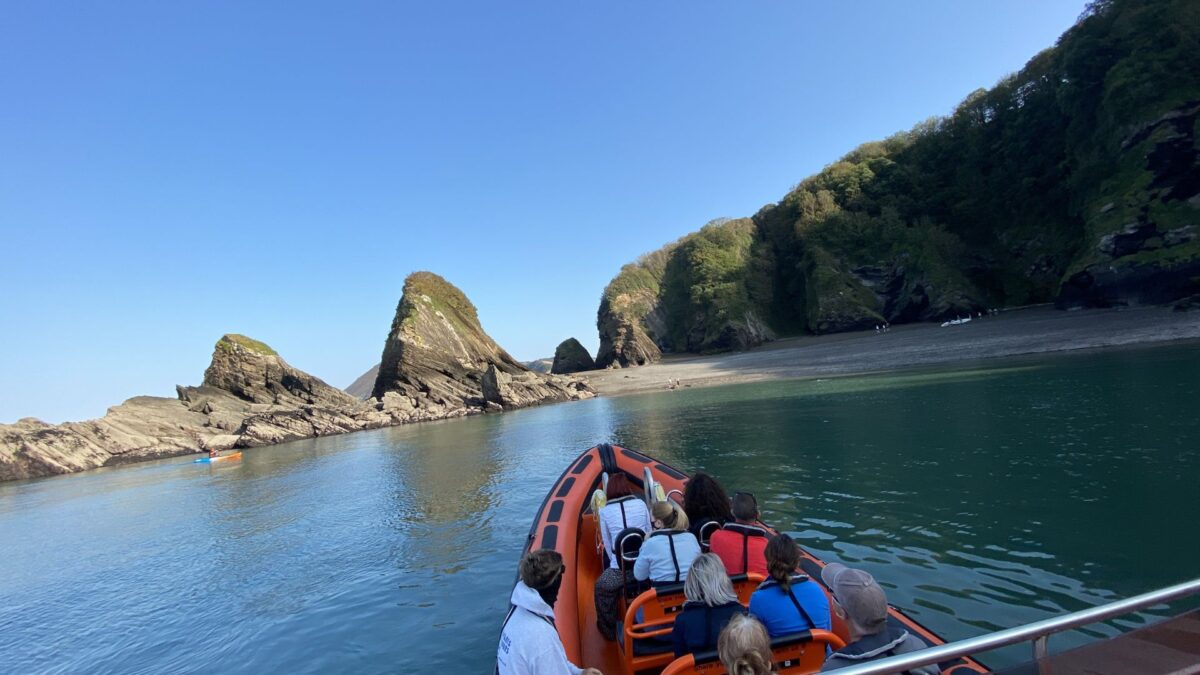
They do. The coastline around Falmouth Bay and the wider Cornish coast supports a healthy grey seal population. Grey seals (Halichoerus grypus) are the larger of the two seal species found in UK waters — males can reach up to 230kg — and they're a regular sight on our 2-hour Wildlife and History tours when we head out towards the sea caves, rock formations and quieter stretches of coast beyond the estuary.
The most reliable spots are the rocky outcrops away from the busier harbour areas. Gul Rock, which sits just offshore and features on our 2-hour trip, is a particular favourite. Seals like spots that give them easy access to the water and some shelter from the wind, and rocky ledges like this tick both boxes.
When Is the Best Time of Year to See Seals?
Grey seals are around all year, but there are two seasons that give you particularly good odds.
Autumn into early winter — roughly October through December — is pupping season for grey seals on the Cornish coast. Females come ashore to give birth, and the pups spend their first few weeks on land while they build up enough blubber to survive in the water. It's an extraordinary thing to witness if you happen to be in the right place.
Winter and early spring are also good, because grey seals tend to haul out more on dry land during the colder months. With calmer, clearer water and fewer boats around, sightings can actually be more reliable than in peak summer — something a lot of people don't expect.
That said, we've seen seals in every month we've operated. They don't read the calendar.
What About Common Seals?
The Cornish coast is predominantly grey seal territory, but common seals (Phoca vitulina) do occasionally appear in the same waters. Common seals are smaller and have a more dog-like, rounded face compared to the longer, Roman-nosed profile of the grey seal. They're less frequently spotted around Falmouth specifically, but it does happen — and when you see both species on the same trip, it's a genuine treat for the wildlife enthusiasts on board.
Can You Get Close to Seals?
Seals are wild animals, and responsible wildlife watching always means keeping a respectful distance. At Falmouth Sea Safari, our skippers know the local population well and we approach carefully, cutting the engine if needed to avoid disturbing resting animals.
What often surprises first-time seal watchers is how genuinely curious seals can be. Once they've decided you're not a threat, they'll often remain relaxed on their rocks, or even approach the boat themselves if they're in the water. We've had seals pop up alongside the RIB and stare directly at passengers — which always gets a reaction.
The key is patience and a calm approach. Our crew knows when to hold back and when conditions are right for a closer look.
Seals on the 2-Hour Wildlife and History Tour
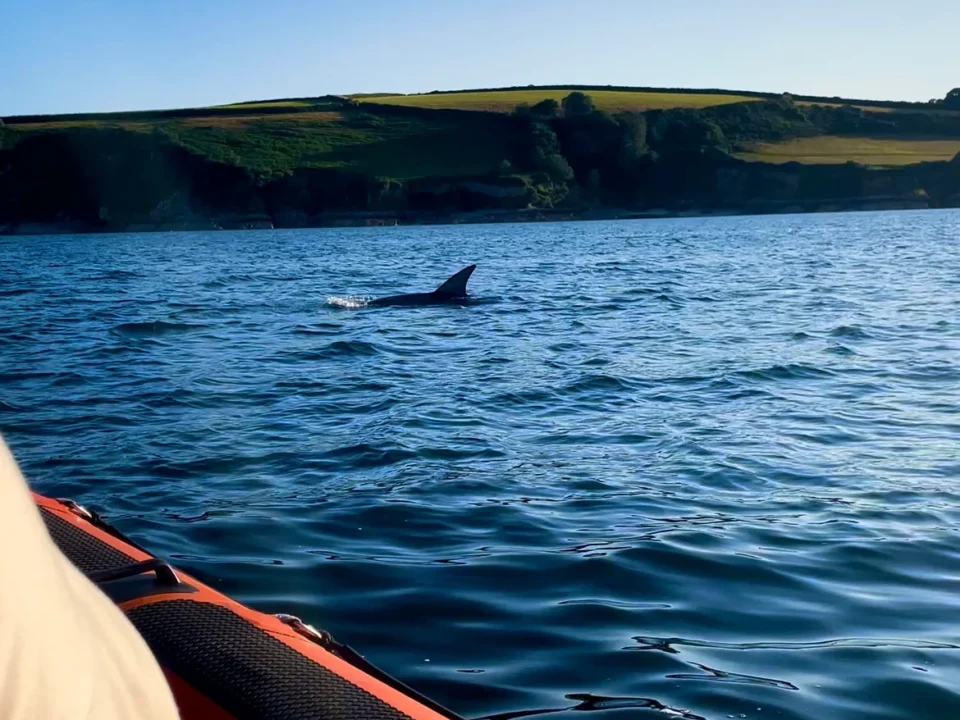
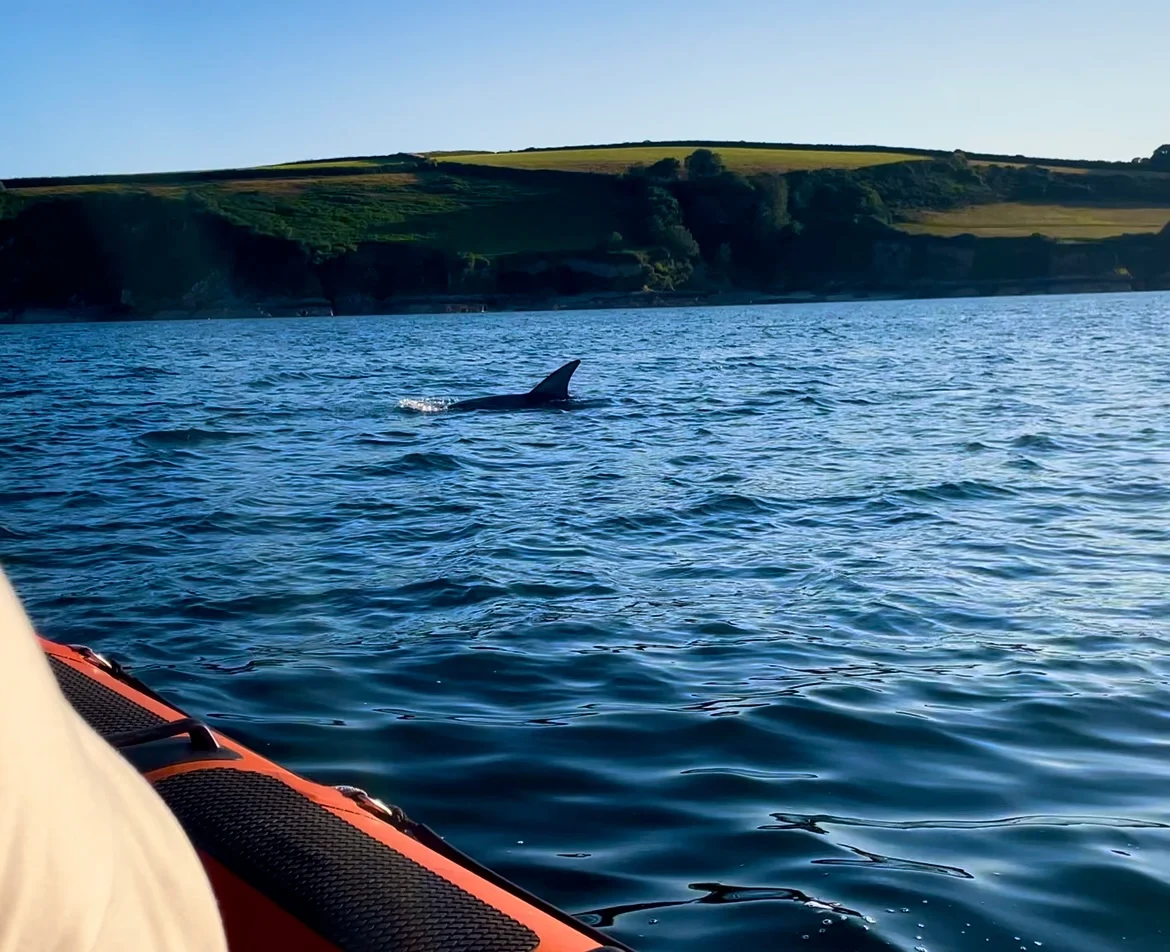
Our 2-hour Wildlife and History Tour takes you out beyond the estuary and into the bay, past sea caves, coastal cliffs and the rock formations that grey seals favour for hauling out. As well as seals, on these trips you're also looking for dolphins, seabirds — cormorants, shags, gannets, guillemots depending on the time of year — and the spectacular coastal scenery that makes this part of Cornwall so distinctive.
Our skippers are genuinely passionate about the marine life out here. You'll leave knowing considerably more about grey seals than when you boarded.
Trips run from Port Pendennis Marina, Challenger Quay, Falmouth TR11 3YL. Call us on 07815 549454 or book online at falmouthseasafari.co.uk to check availability and secure your places.