What to Expect on a Falmouth Sea Safari This Season
The Sunset Safari: Why Evening is the Best Time to be on the Water in Falmouth Bay
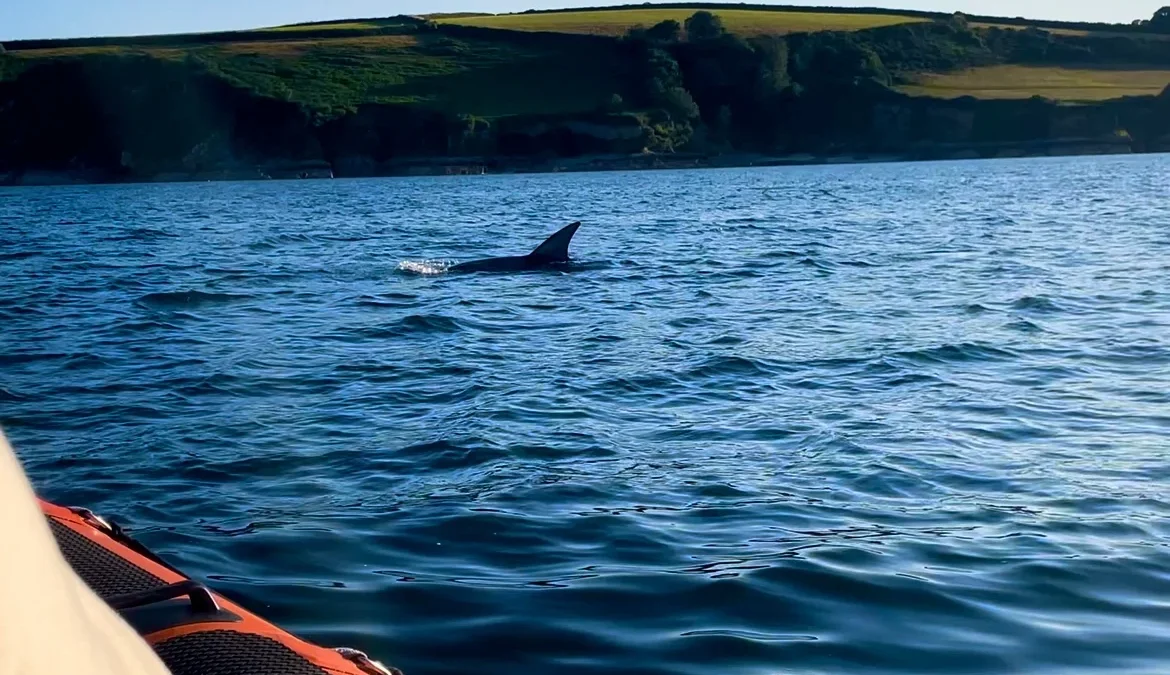
One of the questions we are asked most often at Falmouth Sea Safari is whether a dolphin sighting is guaranteed. The honest answer is no, and any operator who promises otherwise is not being straight with you. Wildlife encounters involve wild animals, and the unpredictability is part of what makes them special.
What we can tell you is when the odds are best, which species visit Cornish waters, and what conditions tend to produce sightings. That knowledge is what our skippers bring to every trip.
Which Dolphins Visit Cornwall?
Two dolphin species are regularly encountered in the waters off the Cornish coast:
Common dolphins (Delphinus delphis) are by far the most frequently sighted species in Cornish waters. These are smaller, sociable animals that typically travel in pods of 10 to 200 individuals. They are fast, acrobatic, and often approach boats to bow-ride. Common dolphins follow shoaling fish, particularly mackerel and pilchard, and their presence tracks the movement of prey.
Bottlenose dolphins (Tursiops truncatus) are larger and more inshore in their behaviour. A resident group is known to use the waters around the Helford River and Falmouth Bay, making encounters with this species particularly possible on our local trips. Bottlenose dolphins can live for 40 to 60 years and individuals within established groups are recognisable to researchers who have been tracking them for decades.
Harbour porpoise are often seen in quieter, shallower inshore waters. They are smaller and shyer than dolphins, less likely to approach the boat, but regularly observed off headlands and in the estuary.
When Are Sightings Most Likely?
The peak period for common dolphin sightings off Cornwall is late June through to September. This aligns with the movement of mackerel and other shoaling fish into inshore waters as sea temperatures rise. The same warming that brings mackerel also brings the cetaceans that follow them.
May is earlier in the season but can produce excellent sightings, particularly as fish begin moving inshore. Bottlenose dolphin encounters are less strictly seasonal because this species has a more permanent presence in the area.
Morning trips in calm conditions tend to produce better wildlife observations than afternoon trips in choppy water. A calm sea surface makes it far easier to spot the fin and blow of a distant animal.
What Else Might We See?
Summer months bring a full cast of Cornish marine wildlife. Basking sharks visit Cornish waters from May onwards, following plankton blooms. At up to 12 metres in length, they are unmistakable and extraordinary to observe in the wild. Grey seals are year-round residents and are almost always seen on our safaris. Seabirds including gannets, shearwaters, and guillemots are regular companions on longer trips.
Booking Tips
Morning slots on calm days in June, July, and August represent the best conditions for cetacean sightings. That does not mean other slots will not produce encounters. Some of our most memorable trips have been on overcast afternoons in May or September, when the water is quiet and the wildlife is active.
Book early for peak summer dates. Weekend and school holiday slots fill quickly.