Mother’s Day: Mum Goes Free with Falmouth Sea Safari
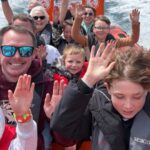
Discover Cornwall by Sea – All Year Round

Cornwall’s coastline isn’t just a treat for the eyes - it’s also home to one of the UK’s most loved marine mammals: the seal. Here in Falmouth and across Cornwall, it’s not unusual to spot a curious head bobbing in the waves or a seal lounging lazily on the rocks. But how much do you know about these coastal characters?
What Species of Seals Live in Cornwall?
There are two main species of seals in the UK, and you can spot both around Cornwall:
- Grey Seals
These are the most commonly seen seals in Cornwall. With long, horse-like noses, and spotted coats, grey seals are larger than common seals and can weigh up to 300kg. Cornwall is home to one of the largest grey seal populations in the world! - Common Seals (also called Harbour Seals)
Common seals have more rounded heads and are generally smaller than grey seals, with a v-shaped nose giving them a dog-like expression. These seals tend to be shier than grey seals, but are still often spotted in Cornish waters.
Fun Facts About Seals
- Grey seals can dive over 70 metres deep and hold their breath for up to 30 minutes.
- Each seal has unique markings – like a fingerprint – which researchers use to track individuals.
- Seals are protected under the Conservation of Seals Act 1970, and disturbing them can lead to fines or prosecution.
- Grey Seals are globally rare, with around 40% of the world’s grey seal population living in British waters, Cornwall being one of their strongholds.
- Seals can sleep underwater. They can shut down one half of their brain at a time, allowing them to rest while still surfacing for air or staying alert for predators.
Where Can You Spot Seals in Cornwall?
Seals can be found all around Cornwall, but some areas are particularly well-known for regular sightings:
- Along the Roseland Peninsula – including St Anthony Head and Pendennis Point, both regular stops on our Falmouth Sea Safari tours.
- Godrevy & The North Cliffs – home to a large seal colony, often seen hauled out on the beaches below.
- Lizard Peninsula – its remote, rocky coves are perfect for seals looking for peace and quiet.
- Around Mullion, Porthcurno and Land’s End – where caves and hidden beaches provide the ideal habitat.
On our safaris, it’s common to spot a few seals popping their heads up near the RIB – curious, but always keeping a safe distance.
When is Seal Pup Season?
Seal pups are typically born in autumn and early winter, between September and December. During this time, you may spot white fluffy pups on remote beaches, particularly in quiet coves and caves.
If you see a pup on land, it's important to keep your distance and never approach. The mother is usually nearby, and human interference can cause her to abandon the pup.
See Seals With Us
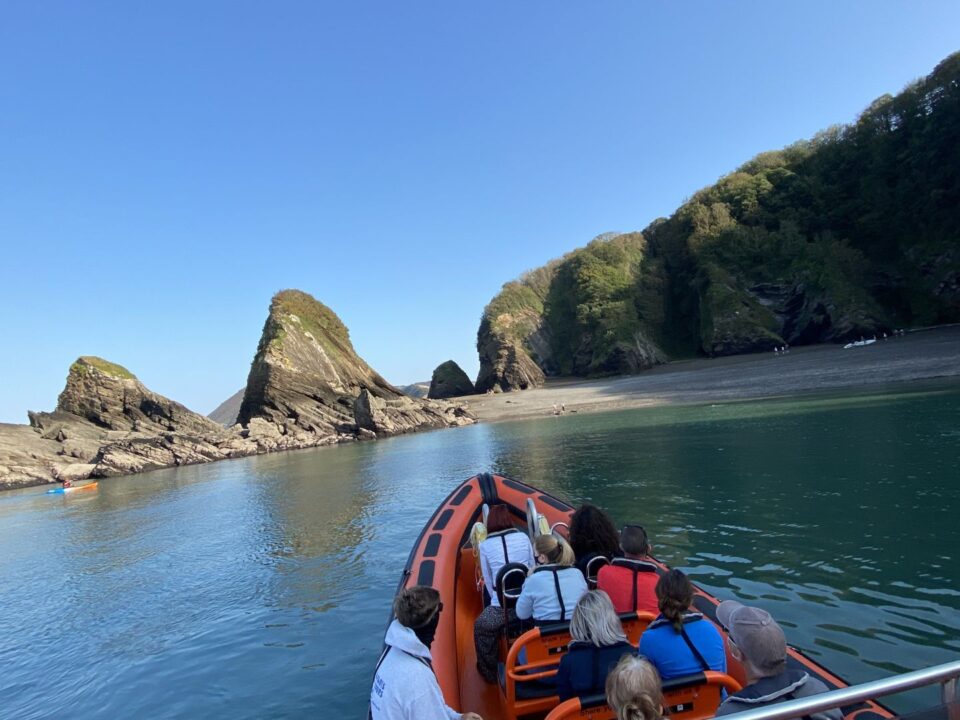
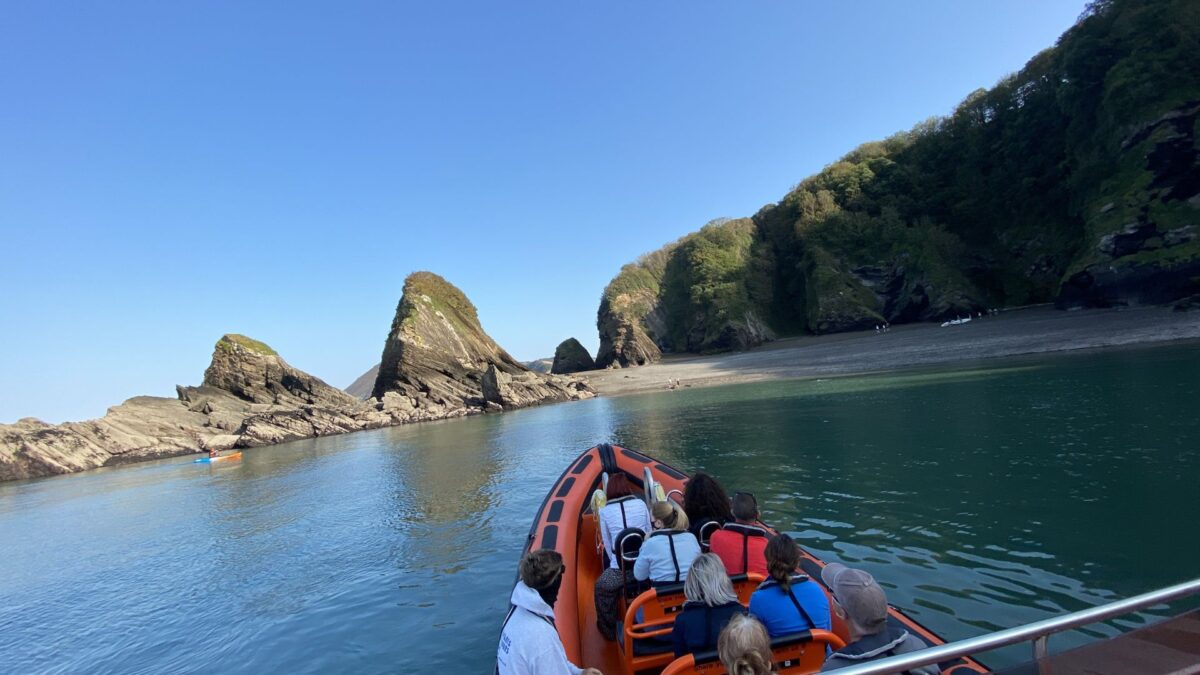
We regularly spot seals on our 1-hour, 2-hour, and private RIB tours, particularly around the headlands and quieter parts of the coast. While sightings can't be guaranteed, your chances are high, and our crew knows just where to look!
Whether you’re a wildlife lover, a family on holiday, or just looking for a memorable coastal experience, seeing a seal in the wild is always a highlight.
Ready to spot one for yourself?
Join us on a Falmouth Sea Safari and discover Cornwall’s coast from a whole new perspective.