The Sunset Safari: Why Evening is the Best Time to be on the Water in Falmouth Bay
Boat Trips from Falmouth: Your Complete Guide to Getting on the Water
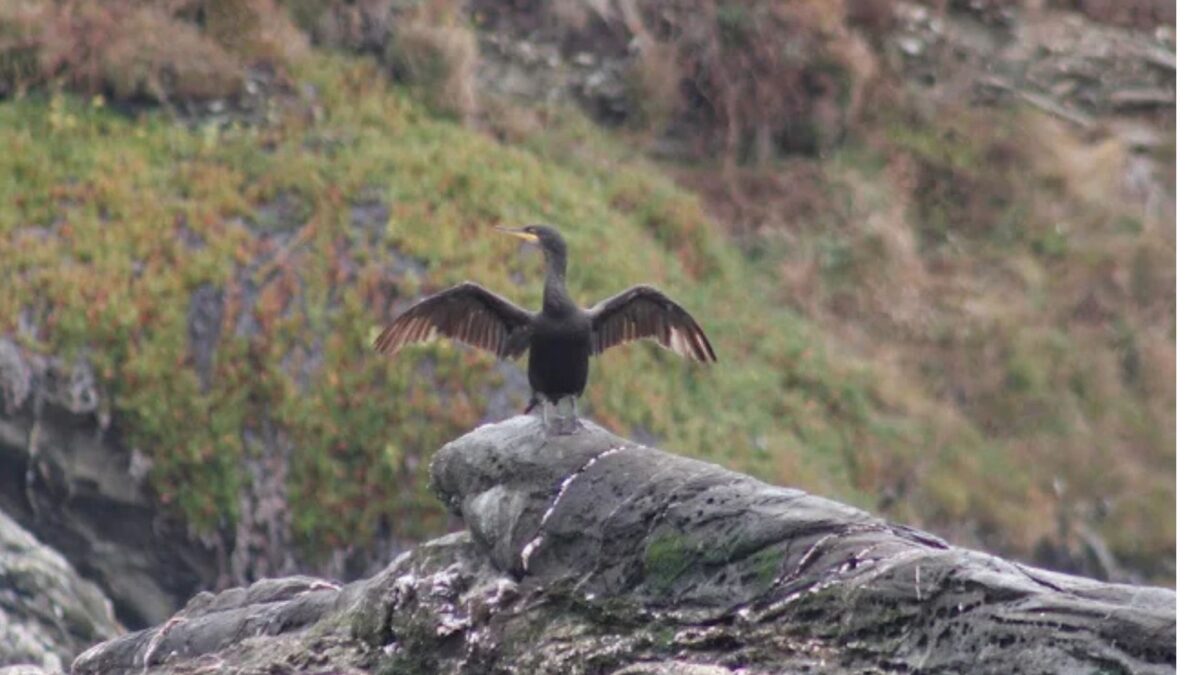
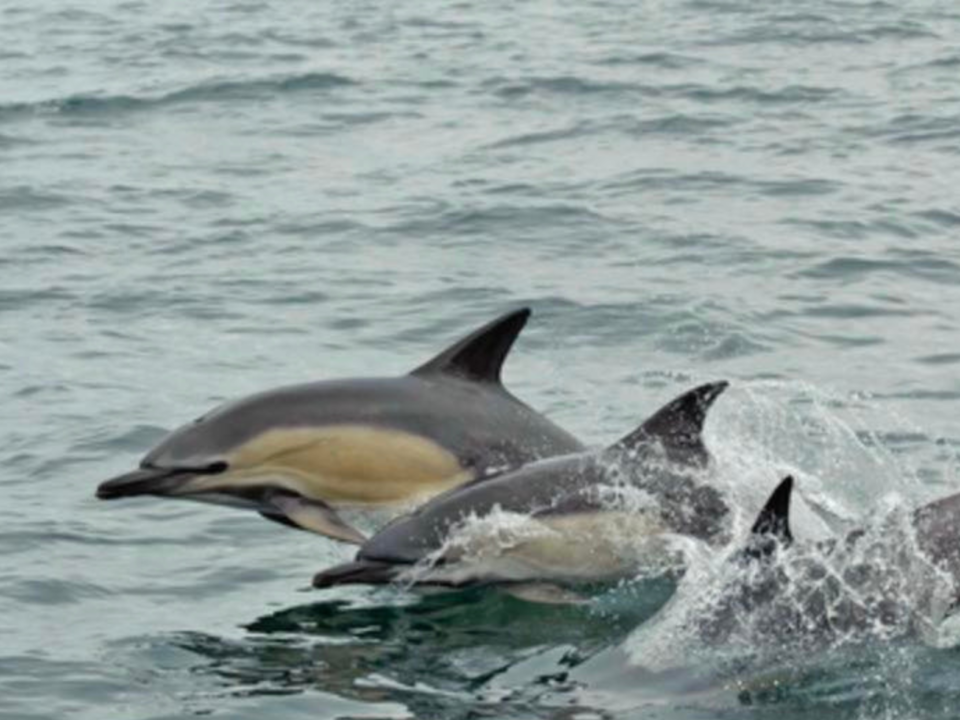
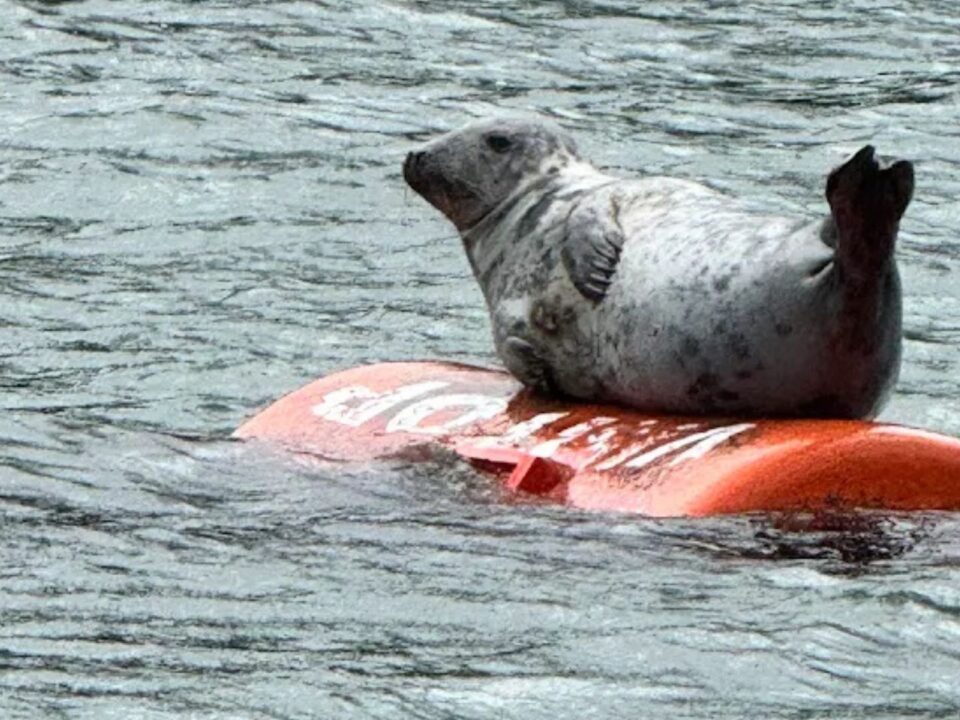
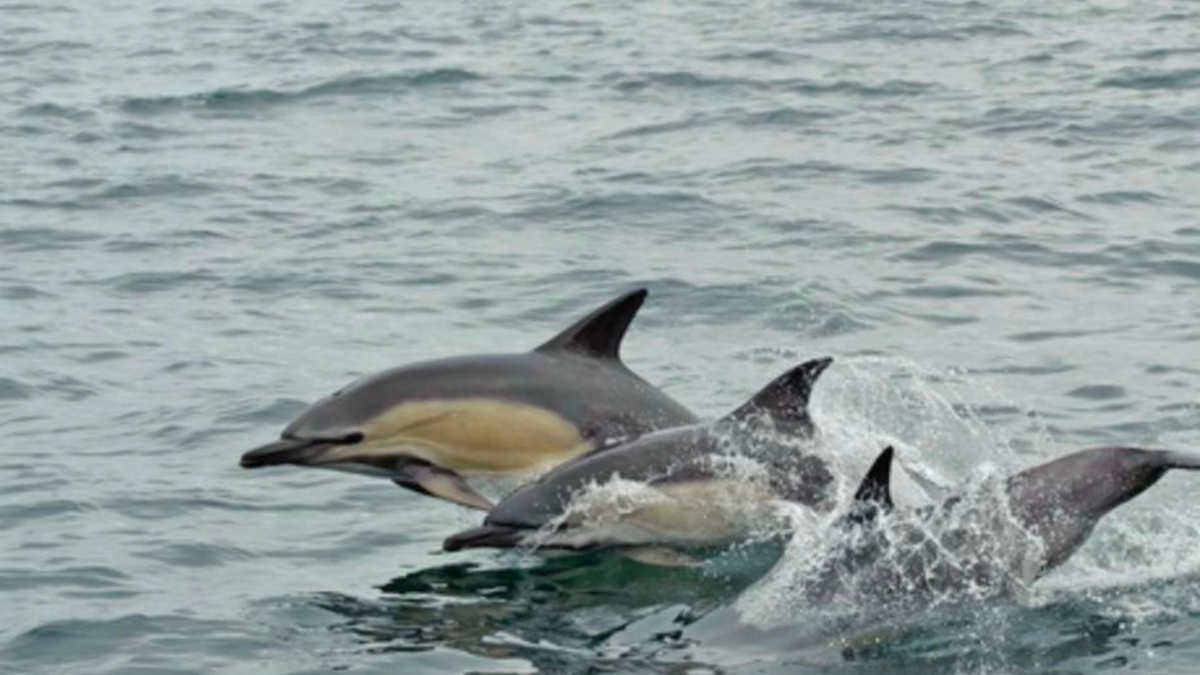
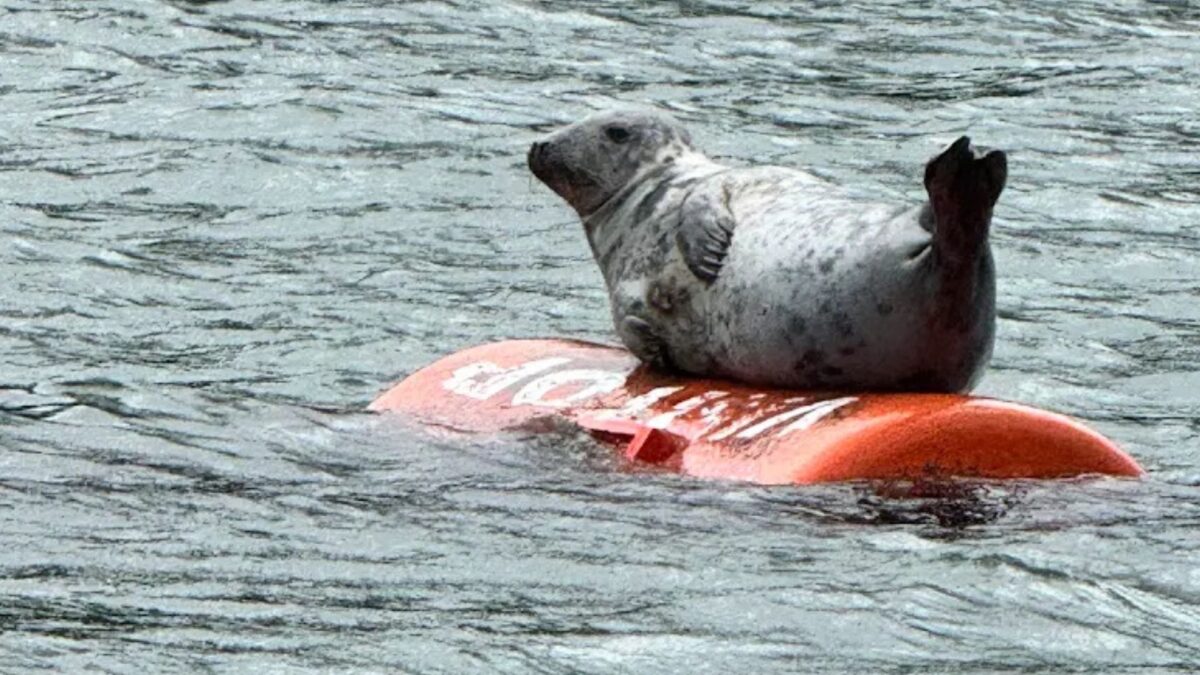
Wildlife on a Falmouth Sea Safari tends to be dominated, understandably, by the mammals: the dolphins, the seals, and in season the basking sharks. But the seabirds of the Cornish coast and open water of Falmouth Bay are extraordinary in their own right, and the encounters that result from being on a fast RIB at sea level, rather than watching from a clifftop, are qualitatively different.
Here is a guide to the main species you might encounter and what to watch for.
Northern Gannet: The Unmistakable Diver
The northern gannet is one of the most visually dramatic birds in British waters. Large, bright white with black wingtips and a distinctive gold-washed head, gannets are regularly seen over Falmouth Bay from late spring through summer, hunting fish by plunge-diving from heights of up to 30 metres. The impact of a gannet hitting the water at speed, wings folded back, is one of those sights that people who have witnessed it describe as genuinely breath-taking.
Gannets are easy to identify in flight: their shape, with long pointed wings spanning up to 1.8 metres, and their striking coloration make them unmistakable at distance. When feeding activity is concentrated, which happens when shoaling fish are near the surface, multiple birds may be diving in the same area simultaneously.
Manx Shearwater: The Ocean Traveller
The Manx shearwater breeds on islands off the Welsh coast and Scottish islands but feeds extensively in the Celtic Sea and English Channel through summer. They are regular visitors to the waters off Falmouth, skimming the surface on stiff, swept-back wings in a characteristic flight pattern that alternates rapid wingbeats with long glides on the wave face. Their name comes from the way they seem to shear, or slice, through the air just above the water surface.
Manx shearwaters are one of the most remarkable long-distance migrants in the bird world, wintering off South America. Seeing one off the Cornish coast in July is connecting with an animal that travels further each year than most humans will in a lifetime.
Guillemot and Razorbill
Both guillemots and razorbills nest on cliff faces along the Cornish coast through the summer breeding season. From a sea safari boat at cliff base level, the colonies are visible in a way that is impossible from the clifftop path. Both species are excellent swimmers and divers, pursuing fish underwater with their wings folded. Guillemots are the more abundant and have a classic auk profile: dumpy, dark above and white below. Razorbills are slightly larger with a distinctive blunt, deep bill with a white vertical stripe.
Fulmar: The Cliff Face Glider
Fulmars are cliff-nesting seabirds found on coastal sections throughout the year. They are superficially gull-like but fly quite differently: stiff-winged gliding on the updrafts along cliff faces rather than the flapping, wheeling flight of gulls. Watch for fulmars along the cliff sections of our safari routes, using the updraft from the cliff face to soar effortlessly at close range.
Getting the Best View
Binoculars transform seabird watching from a boat. For species at distance, good optics reveal detail that naked-eye observation misses entirely. If you have a pair, bring them. Our crew will point out feeding activity and species identification throughout the trip.
Book your Falmouth Sea Safari at falmouthseasafari.co.uk