Boat Trips from Falmouth: Your Complete Guide to Getting on the Water

Falmouth Sunset Sea Safari: What to Expect on an Evening on the Water
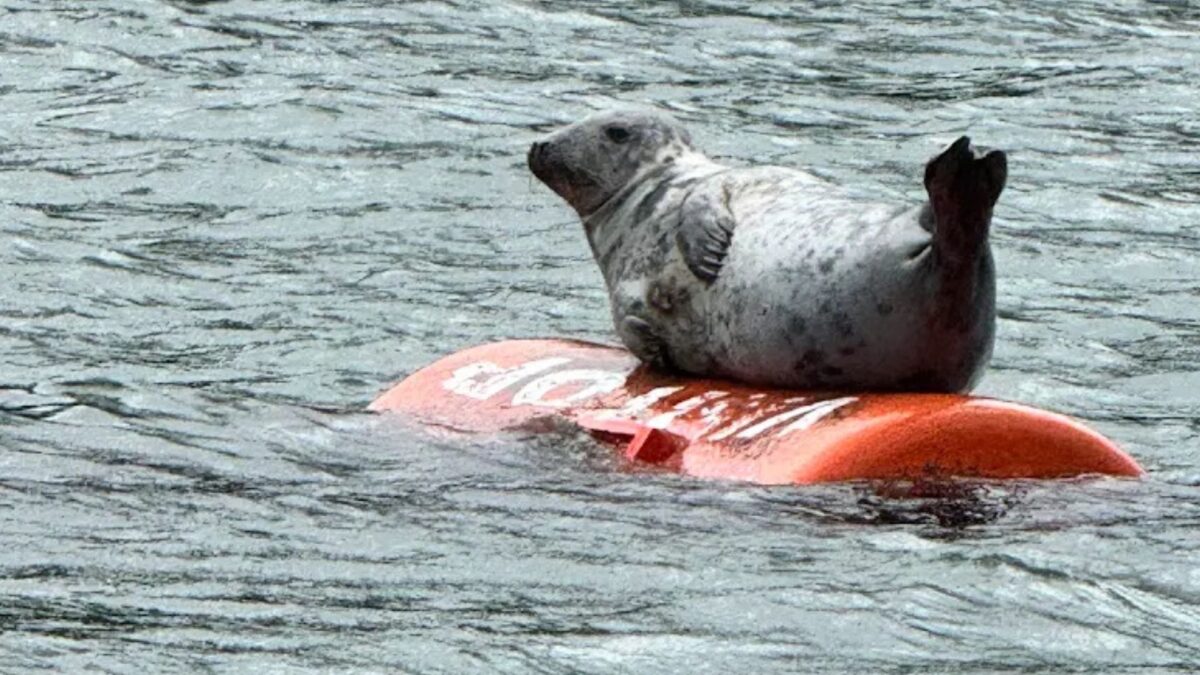
The Atlantic grey seal is one of Britain’s largest wild mammals and one of the most reliably encountered wildlife spectacles on the Cornish coast. Cornwall holds some of the most accessible seal populations in England, and the waters around Falmouth Bay are particularly good territory for encounters. Here is everything you need to know about finding and watching grey seals in Cornwall.
About Atlantic Grey Seals
The Atlantic grey seal (Halichoerus grypus) is one of two seal species found in UK waters. Distinguished from the smaller common seal by its distinctive elongated, Roman-nose profile and larger size, adult male grey seals can reach 2.5 metres in length and weigh over 300 kilograms. The UK hosts approximately 40 percent of the world’s Atlantic grey seal population, making this one of the globally important wildlife populations accessible from our coastline.
Where Do Seals Haul Out in Cornwall?
Grey seals haul out (come ashore or onto rock platforms) to rest, moult, and breed. On the Cornish coast, regular haul-out sites exist at numerous inaccessible rock ledges along the cliff base sections visible only from the sea. Falmouth Bay and the approaches to the Helford River have established seal populations, and the Lizard Peninsula coast holds significant haul-out numbers.
The key point about the best seal haul-out sites is that most are genuinely inaccessible from land. Tucked beneath cliff faces or on exposed offshore rocks, they can only be reached and observed properly from the water. This is what makes a sea safari the definitive way to see Cornwall’s seals.
What to Look For
Seals hauled out on rocks are often easy to mistake for boulders until they move. Look for the smooth, rounded shape of a head resting on rock, or the characteristic banana posture of a resting seal with both head and tail lifted clear of the surface. In the water, the large dark eyes and flat-topped head profile distinguish a grey seal from any other object.
Grey seals are naturally curious animals. It is common for individuals to follow a boat at a distance, surfacing to observe and diving again. Once you know what you are looking for, these pop-up appearances become one of the most charming elements of any sea trip.
When Are Sightings Best?
Grey seals are present on the Cornish coast year-round, so no visit is without potential for a sighting. That said, summer haul-out numbers tend to be highest during calm weather when the seals can rest comfortably on exposed rocks. August is an excellent month for seal watching as the animals are in good condition and the juveniles from the previous winter’s breeding season are now independent and often particularly inquisitive.
The breeding season runs from October through December, when females come ashore to give birth and males establish territories. Pup sightings are possible through winter and early spring for those making an out-of-season visit.
Watching Seals Responsibly
Grey seals are a protected species in the UK. When watching from a boat, approaching too closely or making sudden movements that cause seals to enter the water from a haul-out is considered disturbance. Our skippers follow Marine Conservation Society guidelines at all times, maintaining respectful distances that allow extended observation without stress to the animals. The result is that seals typically continue resting or moving slowly in the water rather than fleeing, which makes for a far more satisfying encounter.
Book your seal watching sea safari at falmouthseasafari.co.uk